EV charger installation San Jose homeowners book is rarely about the charger itself. It's about the panel headroom, the conduit run, and whether the household qualifies for PG&E's EV-2A rate. Here's how the brand decision, the load calc, and the install timeline actually shake out.
Picking a brand
The four installs we run most in San Jose: Tesla Wall Connector, ChargePoint Home Flex, Wallbox Pulsar Plus, and Enphase IQ. JuiceBox and Grizzl-E come up too. The choice mostly comes down to four factors.
- NACS vs. J1772. Tesla Wall Connector is NACS native. ChargePoint, Wallbox, and Enphase ship J1772 with adapters available. Most newer EVs across brands now use NACS or include an adapter, so the moat is smaller than it was two years ago.
- App and integrations. Tesla integrates tightly with the car. ChargePoint and Wallbox have open apps. Enphase ties cleanly into a Powerwall or Enphase battery system if one's on the property.
- Power output. Most are 40A or 48A continuous on a 60A circuit. Hardwired vs. plug-in (NEMA 14-50) changes the install scope.
- Sub-metering. If you want PG&E EV-2A enrollment, the charger or a separate meter needs to track the EV draw.
The panel headroom question
Every Tesla Wall Connector install or ChargePoint home install in San Jose starts with the same question: does the panel have headroom for a 60A circuit? The math runs against NEC 220 load calculation, not the breaker count.
A typical 1,800 sq ft single-family home with central AC, electric range, dishwasher, and washer/dryer already runs a calculated demand around 80 to 100 amps. Add a 48A continuous EV charger and the total pushes over what a 100A or 125A panel can carry. That's why a 200A upgrade often comes up alongside the EV install. More on that decision in our main panel upgrade writeup.
The charger costs less than people expect. The panel work is what moves the number.
What the install actually involves
Most residential EV charger installation San Jose jobs run four to six hours on the agreed date. The scope, in order:
- Permit pull through the local AHJ. Customer doesn't fill out a form.
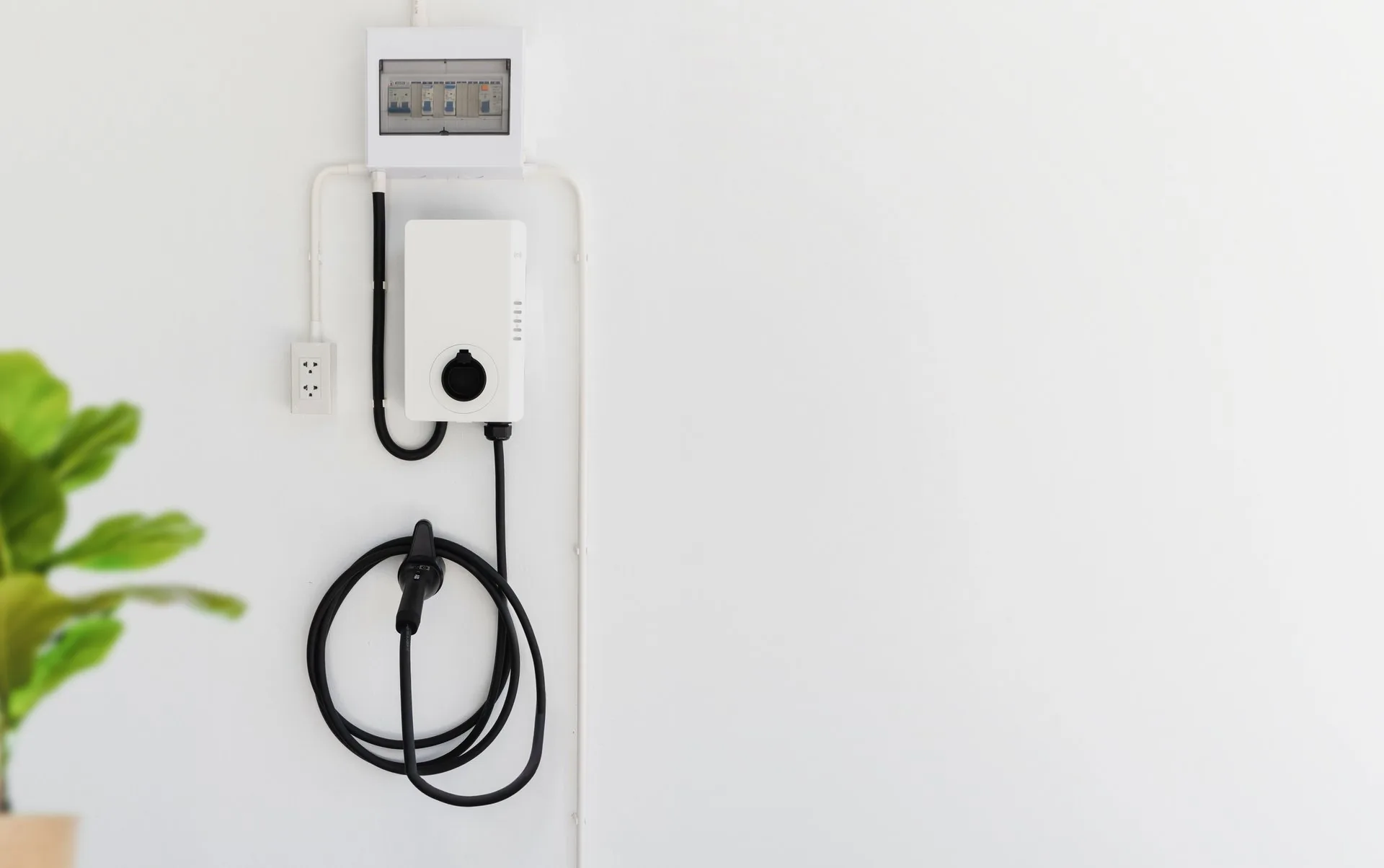
- Mount the charger on the chosen wall location.
- Run the dedicated 240V/60A circuit from the panel to the charger. Conduit through finished walls or attic where the run length warrants.
- Land the breaker in the panel, terminate the charger, set the charger's amperage to match the circuit.
- Test under load. Confirm cycle and disconnect.
- Final AHJ inspection scheduled by us. Sign-off and warranty paperwork delivered.
Level 2 charger cost
Level 2 charger cost installed runs to a different price depending on three drivers. The list below is what we typically itemize on the quote.
- Charger unit. Tesla Wall Connector and ChargePoint Home Flex sit in similar price brackets. Wallbox and Enphase trade slightly higher. JuiceBox and Grizzl-E come in lower.
- Conduit run length. A panel-adjacent install runs a few feet of conduit. A driveway install on the far side of the house can run forty feet through finished walls, attic, or under the eaves.
- Panel work. If the load calc requires a panel upgrade first, that's a separate line. Combining the two on the same install saves on permit and trip costs.
PG&E EV-2A and rebates
PG&E EV-2A is a residential rate plan optimized for households charging an EV at home. It pencils most cleanly when the household runs 5,000+ EV miles per year. Enrollment requires either a sub-meter on the charger circuit or a charger that the utility can read directly.
BAAQMD periodically offers rebates on EV charger installs, especially for income-qualified households. The list of qualifying chargers and the rebate amount move every cycle, so we check the current programs at quote time and apply them to the line items.
Frequently asked questions
Which EV charger brands do you install?
All major brands: Tesla Wall Connector, ChargePoint Home Flex, Wallbox Pulsar Plus, Enphase IQ, JuiceBox, and Grizzl-E. The brand choice comes down to NACS or J1772, app preferences, and whether PG&E EV-2A sub-metering matters.Do I need a panel upgrade for an EV charger?
Sometimes. A Level 2 charger pulls 32 to 48 amps continuous. We run a load calc on the on-site walk and tell you whether the existing panel has the headroom or the EV install needs to wait on a 200A upgrade.How long does an EV charger installation in San Jose take?
Most residential Tesla Wall Connector install or ChargePoint home install jobs run four to six hours on the agreed date. Longer conduit runs or panel work can push to a full day.What does a Level 2 charger cost installed?
Level 2 charger cost installed depends on the charger model, panel headroom, and conduit run. A straightforward garage install with the panel adjacent is the cheapest scenario. Driveway installs, long runs, and panel-headroom rebuilds add line items the quote breaks out.Do you handle PG&E EV-2A rate enrollment?
Yes. We install a sub-meter where the rate enrollment requires it and provide the paperwork PG&E asks for. EV-2A often pencils for households running 5,000+ EV miles per year.
What to do next
If you have an EV on order or a charger picked out, the right time to scope the install is now. The EV charger service page covers the full menu of brands and panel scenarios.
Walk us through the EV, the parking spot, and any panel notes you have, and get an estimate.
